Heating is essential in colder months, but it can also be one of the biggest energy drains in a home or building. If your heating system isn’t running efficiently, you’re not just wasting energy—you’re also spending more money than you need to on heating bills.
A well-designed, energy-efficient heating system keeps your space warm while using as little power or fuel as possible. But what actually makes a heating system energy efficient? And how can you make sure yours is working the way it should?
How Heating Systems Use Energy
Heating systems work by generating heat and distributing it throughout a home or building. Some use gas, while others rely on electricity. No matter the type, the goal is the same: to produce heat without wasting energy.
Older or poorly maintained systems tend to use more fuel than necessary, making them less efficient. Newer systems, or those that are regularly serviced, often use advanced technology to heat spaces without wasting energy.
The Role of Proper Insulation
One of the biggest factors in heating efficiency isn’t the heating system itself—it’s how well your home or building holds onto heat. If warm air escapes through cracks, poorly sealed windows, or thin walls, your heating system has to work harder to replace lost heat.
Good insulation, sealed windows, and proper door fittings help keep heat inside, reducing the amount of energy your heating system needs to use. The better your insulation, the less strain on your heating system, which translates to lower energy costs.
Why Some Heating Systems Waste Energy
Some heating systems waste energy because they run longer than needed or lose heat before it reaches the intended space. Common reasons for energy waste include:
- Leaky ductwork – If your heating system relies on ducts, any gaps or leaks allow warm air to escape before it reaches the rooms where it’s needed.
- Inefficient fuel use – Older heating systems often burn fuel less efficiently than modern ones, meaning more energy is wasted in the process.
- Poor airflow – If vents are blocked or air circulation is bad, heat won’t spread evenly, forcing the system to work harder.
The Benefits of Regular System Checkups
Even the best heating systems lose efficiency over time. Dust buildup, worn-out parts, and small issues can add up, making your system work harder than necessary. That’s why regular servicing is so important.
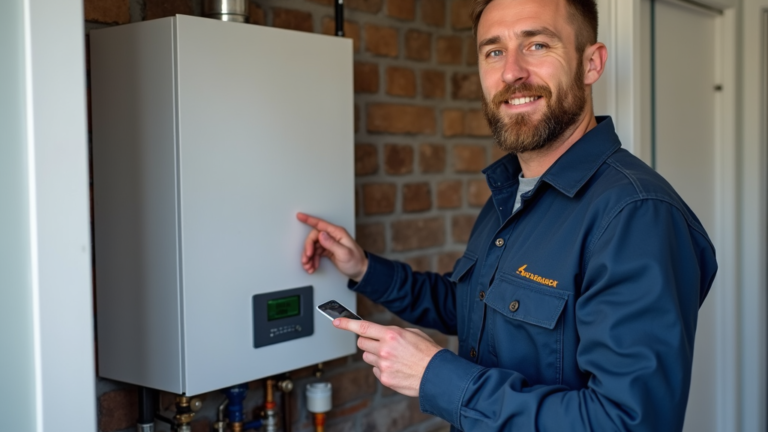
A Boiler Preventative Maintenance service can help ensure that your heating system runs efficiently. When checked regularly, a system uses less energy, provides better heat distribution, and lasts longer.
How Modern Technology Improves Efficiency
New heating systems come with smart features designed to use energy more efficiently. Some improvements include:
- Modulating burners – Instead of turning on and off constantly, these systems adjust heat output based on actual need, preventing wasted energy.
- Smart thermostats – These let you control temperatures more precisely and even learn your heating habits, reducing unnecessary use.
- Zoned heating – Allows you to heat only the rooms you’re using instead of the whole house, saving energy in the process.
- Condensing technology – Some modern systems recycle heat from exhaust gases, making them much more efficient than older models.
How to Tell If Your Heating System Is Energy Efficient
If you’re not sure how well your heating system is performing, here are a few things to check:
- Your energy bills – A sudden increase in heating costs could mean your system is losing efficiency.
- How quickly your home heats up – If it takes much longer than it used to, your system might not be working as efficiently as before.
- How often it turns on and off – If your system is running constantly, it may be struggling to maintain temperature.
- The age of your system – Older systems naturally lose efficiency over time, especially if they haven’t been maintained.
Simple Ways to Improve Heating Efficiency
If you want to get the most out of your heating system, there are a few simple things you can do:
- Seal any air leaks – Check doors, windows, and vents to make sure warm air isn’t escaping.
- Upgrade your thermostat – A programmable thermostat helps keep temperatures consistent without wasting energy.
- Clean or replace air filters – Blocked filters force your system to work harder, reducing efficiency.
- Schedule regular maintenance – A yearly service check keeps everything running smoothly and prevents costly breakdowns.
A Smarter Approach to Heating
An energy-efficient heating system isn’t just about staying warm—it’s about using less energy to do it. Whether you upgrade to a newer system, improve insulation, or simply keep up with regular maintenance, small changes can make a big difference. The less energy your system wastes, the lower your bills, and the better it performs in the long run.